
Regional Essence Being Eroded
The article argues that Nepal’s provinces are being blamed for weak performance without being given enough authority, resources and administrative control to work effectively.

The article argues that Nepal’s provinces are being criticized for failing to deliver results even though they have not received the authority, resources and administrative control needed to work effectively. It uses the example of Sudurpaschim Province, where the provincial assembly had already finalized the name and capital eight years ago, but the capital has still not shifted because land-related matters remain under federal authority. The writer says the federal government should act as a facilitator, not as a ruler, but central arrogance has weakened not only Sudurpaschim but the spirit of federalism itself. The article also points to misplaced development priorities in the province, such as airports and cold storage centers built without proper use, while deeper issues like weak SEE results, poverty, low economic growth and low per capita income remain insufficiently debated.
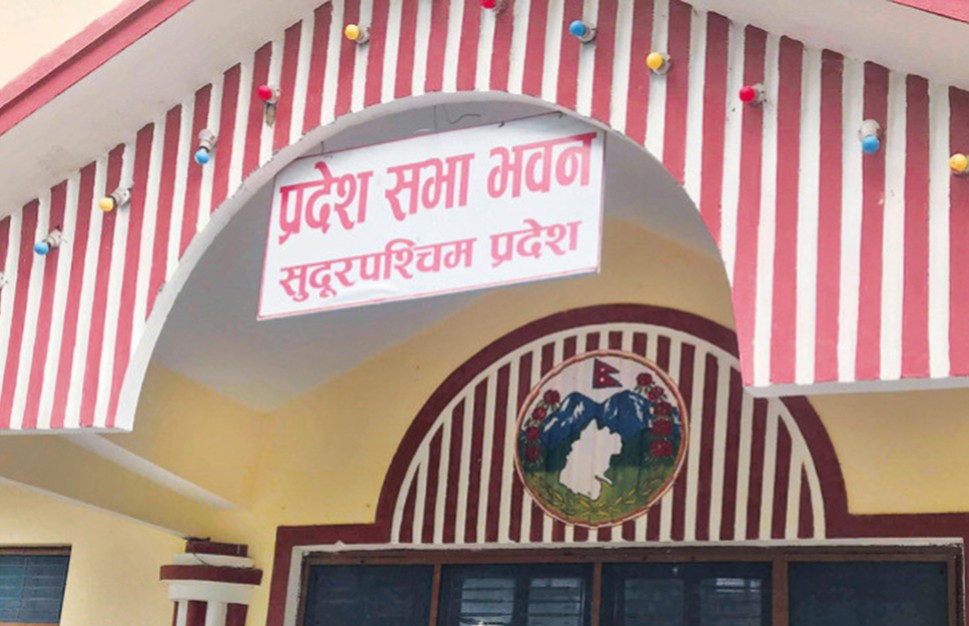
The writer says provinces should focus on building their own regional economies based on local resources, culture, production, employment and knowledge, but they have largely copied the federal model of development. Sudurpaschim is described as rich in forests, hydropower potential, agriculture and medicinal herbs, yet it remains weak in poverty indicators because provinces have limited funds and lack accountable staff structures. The article also criticizes the way changes in federal party alliances immediately affect provincial governments, making provinces look like shadows of the center rather than autonomous governments. It concludes that provincial rights, police and staff management, financial transfers based on social justice, stronger regional research and locally grounded policy-making are necessary to give real life to federalism.