Two Parliament Scenes Where the Speaker Went Off Track
Two recent incidents in the House of Representatives have raised questions about parliamentary procedure, including an opposition-led silent protest and confusion over the Prime Minister’s question-answer session.
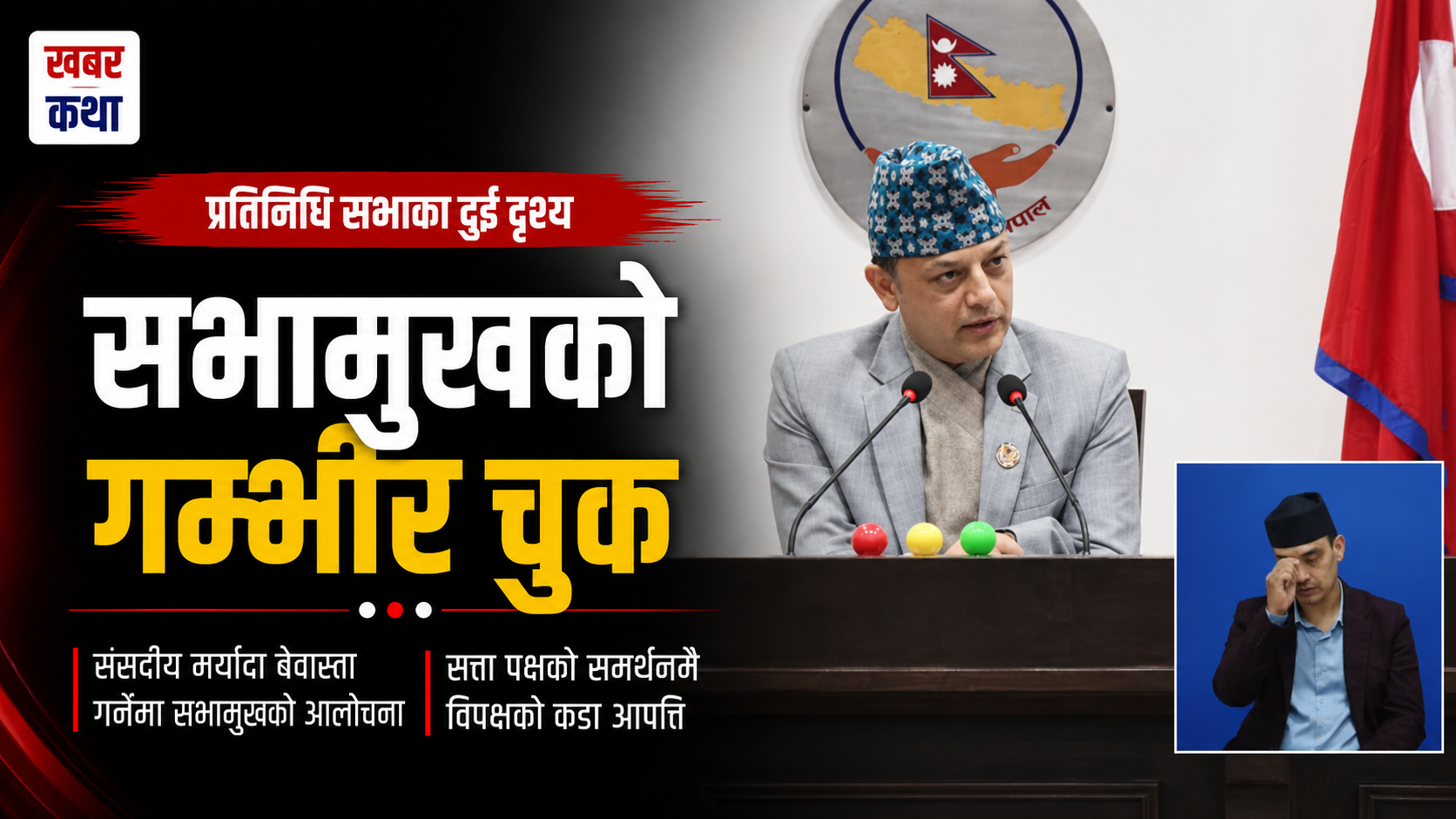
Two recent scenes in the House of Representatives have shown parliamentary activity moving beyond the Speaker’s expected control and the usual House process. One such scene occurred on Tuesday when opposition lawmakers stood up at the beginning of the meeting over Prime Minister Balendra Shah’s border-related remarks. UML lawmaker Kshitij Thebe repeated the demand that the Prime Minister apologize, while other opposition lawmakers also supported the protest. Nepali Congress whip Nishkal Rai then introduced a new style of protest by calling from the House floor for lawmakers to observe five minutes of silence in honor of martyrs. Opposition lawmakers from the Nepali Congress, CPN-UML, Nepali Communist Party, Labour Culture Party and Rastriya Prajatantra Party stood in silence, while ruling Rastriya Swatantra Party lawmakers remained seated. Speaker Dol Prasad Aryal stayed silent during the protest and later expressed dissatisfaction, saying members had tried to conduct the House from the floor on their own, which he viewed as an insult to the House.
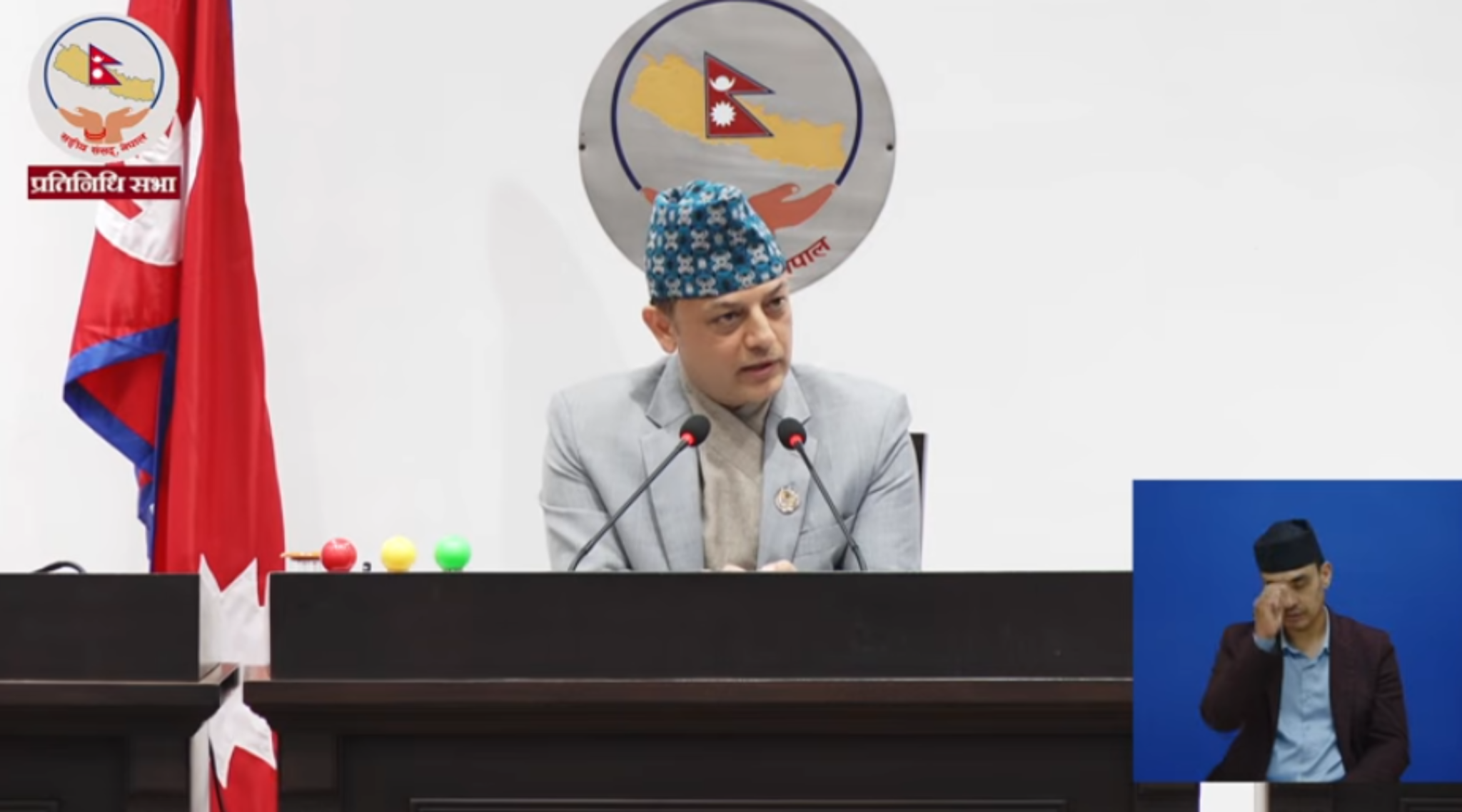
The second scene was linked to the House meeting of Jestha 17, when Prime Minister Balendra Shah unexpectedly asked to take questions from lawmakers. The Speaker had delayed the meeting by about half an hour because the Prime Minister was expected to attend, but before the House business formally moved forward, the Prime Minister raised his hand and asked the Speaker to allow lawmakers to ask questions. The Speaker then permitted the process, but opposition lawmakers objected. They said the procedure for direct question-answer with the Prime Minister under the House of Representatives Rules requires written notice three days in advance and allows only up to 15 lawmakers to ask questions in one sitting. Speaker Aryal then interpreted the rules by saying there was no three-day written question requirement and no written provision limiting the number of questioners to 15. Former Parliament Secretariat secretary Som Bahadur Thapa said the Speaker should have handled the situation either as a current-affairs address with lawmakers’ questions or stopped it if it was meant to be a formal direct question-answer session. Another unusual practice also appeared when Labour Culture Party chair Harka Sampang directly proposed a resolution motion in Parliament without completing the required process.